







Search Results for: Coffee Flavor and Mouthfeel
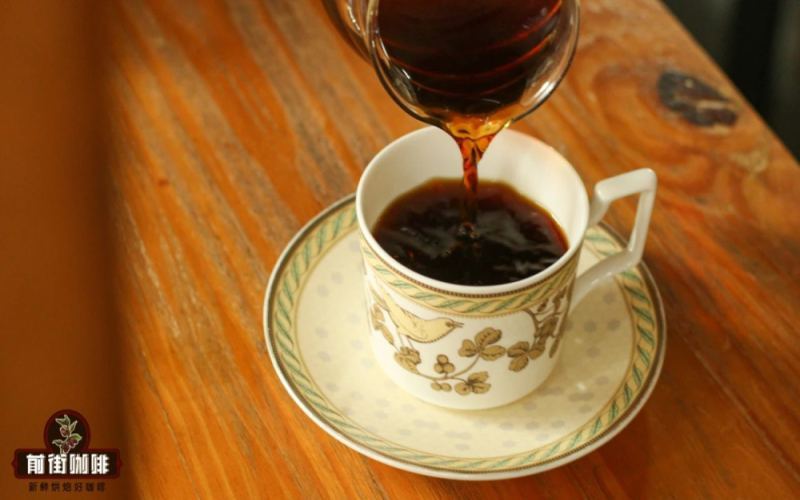
What Does Coffee Body Mean? A Comprehensive Analysis from Mouthfeel to Brewing for Choosing Full-Bodied Coffee Beans
When tasting a cup of coffee, besides focusing on flavor expression, mouthfeel is also a dimension that cannot be ignored. Flavor corresponds to taste and smell, while mouthfeel relates to the tactile experience—this is what the coffee world often calls Body. When coffee is smooth, full, and rich on the palate, it indicates excellent Body; if it feels rough, thin, or astringent, the Body is poor. The fineness of oils and fibers is the key factor determining Body quality. This article starts from the concept of Body, recommends two representative coffee beans with a rich style, and breaks down in detail the operational key points and underlying principles of Kono-style pour-over for enhancing richness, helping coffee enthusiasts better balance flavor and mouthfeel in their pour-over practice. [more…]
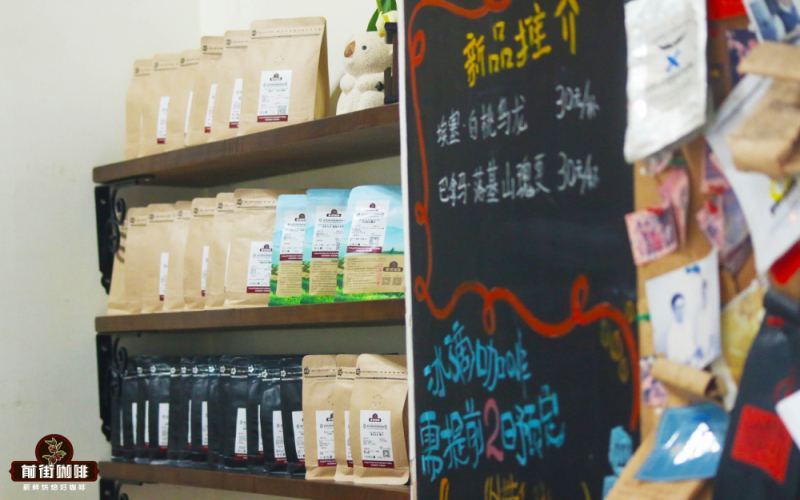
Flavor Characteristics of Major Coffee Regions Around the World: A Guide to Tasting Profiles and Mouthfeel from Africa to the Americas
Even different plots within the same estate can produce coffees with distinct flavors, let alone major regions spanning continents. The three great specialty coffee belts—Asia, Africa, and Central & South America—nurture vastly different flavor profile characteristics due to terroir differences: Ethiopia's floral and citrus notes, Indonesia's rich herbal undertones, and Central America's balanced chocolate character, each with its own following. Before deciding to put a coffee on the shelf, Front Street Coffee repeatedly roasts and cups samples from each region, selecting the most representative lots before recommending them to consumers. This article systematically organizes the flavor characteristics and taste descriptions of major coffee-producing countries worldwide, covering Ethiopia and Kenya in Africa; Indonesia and India in Asia; Guatemala, Costa Rica, and Panama in Central America; and Colombia and Brazil in South America, providing coffee lovers with a complete flavor profile reference. [more…]

How to Understand Coffee Balance? Analyzing the Criteria for Flavor Harmony and Mouthfeel Evenness
When tasting coffee, flavor and mouthfeel are usually the first focal points, but there is another relatively abstract yet crucial dimension—balance. It does not mean blandness or absolute equivalence, but rather an overall state of harmony in which the acidity, sweetness, bitterness, and other elements in the coffee coordinate with one another, with none being overly prominent or too weak. Balance involves not only taste, but also mouthfeel, finish, and performance at different temperatures. This article will start with the definition of balance and the criteria for judging it, and recommend several Front Street Coffee beans with excellent balance, helping readers gain a comprehensive understanding of this concept. [more…]
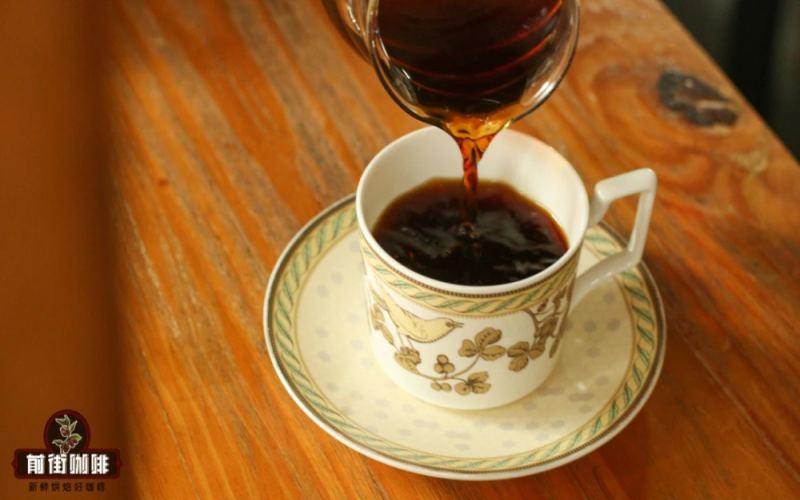
Rich-Bodied Coffee Beans Recommendation | What Does "Body" Mean in Pour-Over Coffee? How to Brew Coffee with a Rich Body? Which Hand-Ground Coffee Beans Have a Noticeable Sweet Aftertaste?
When evaluating whether a cup of coffee is good, Front Street believes that in addition to its flavor evaluation, we should also pay attention to its mouthfeel. Flavor mainly "serves" our sense of taste and smell, while mouthfeel "serves" our sense of touch. This texture is actually what we call the coffee's Body. When evaluating a cup of coffee's Body [more…]
How to Describe Coffee Flavors? A Comprehensive Analysis of Flavor Characteristics of Major Coffee-Producing Countries and Regions Worldwide
Even coffee from different plots within the same estate can vary in flavor, let alone regions spanning different countries. The three major specialty coffee regions—Asia, Africa, and the Americas—each display distinctly different regional characteristics due to their unique terroir. Ethiopia's floral and citrus notes and the rich, full-bodied character of Asian coffees each have their own following. When recommending single-origin beans to customers, Front Street Coffee matches them based on taste preferences—those who prefer acidity can choose Front Street Kenya Small Tomato or Front Street Yirgacheffe, while those who enjoy a full-bodied cup can try Front Street Jamaica Blue Mountain or Front Street Golden Mandheling. Front Street currently offers more than 200 specialty coffee beans, and every bean has undergone repeated roasting tests and cupping screenings, only being recommended to consumers after confirming it is representative of its region. The following content is a coffee flavor guide compiled by Front Street after multiple rounds of roasting and cupping of common coffee regions around the world. [more…]

Which fresh milk should you choose for iced lattes and flat whites? A hands-on comparison of seven types of low-temperature whole milk in homemade coffee
The flavor quality of a latte is often decided by the choice of milk. There are many fresh milk brands on the market, with a wide price range, and their performance when paired with coffee varies. For home coffee enthusiasts, it is difficult to buy them one by one for comparison testing. This time, Front Street Coffee selected seven whole milk products that are common in coffee scenarios and relatively easy to buy, and conducted a comprehensive evaluation from low-temperature direct drinking, taste after heating, to the flavor, balance, and milk foam texture when making iced lattes and hot flat whites. There is no commercial promotion throughout, and the aim is to provide purchasing reference for readers with different taste preferences. This article does not set a final conclusion; the focus is on presenting the real performance of each milk to help everyone find the one that suits them. [more…]

Analysis of Hot vs. Cold Flavor Differences in Pour-Over Coffee: Which Coffee Beans Are Better for Iced Pour-Over?
Front Street's store bean list is extensive, and many customers face a dilemma after choosing their coffee beans: should they make a hot pour-over or an iced pour-over? What exactly is the difference in flavor between the two? This article starts from Front Street's actual brewing parameters, analyzes the construction logic of iced pour-over, and conducts a hot-versus-cold comparison using four representative coffee beans—Ethiopia TOH Uraga, Papua New Guinea Bird of Paradise, Indonesia Golden Mandheling, and Colombia Flower Moon Night—evaluating them across three dimensions: aroma, flavor, and mouthfeel. The results show that hot pour-over generally has the advantage in aroma richness and layering, while iced pour-over is more popular in summer thanks to its cold-drink appeal. The article also points out that light-roast and anaerobic-process coffee beans are more suitable for making iced pour-over, while medium-dark roast beans are not very suitable. [more…]
Costa Rican Coffee Flavor and Mouthfeel Analysis: Honey Processing Grades and Tarrazú Region Characteristics
Costa Rica, with its volcanic ash soil, mild climate, and abundant rainfall, has become an important origin on the global specialty coffee map. Its coffee beans are all Arabica varieties, known for their pure aroma, balanced acidity, and smooth mouthfeel. The Tarrazu region is even recognized worldwide as a source of high-quality coffee. This article will systematically review the flavor characteristics, taste performance, historical context, and growing conditions of Costa Rican coffee, with a focus on introducing the classification of honey processing levels. It will also recommend related products from Front Street Coffee, providing coffee lovers with a complete flavor guide. [more…]
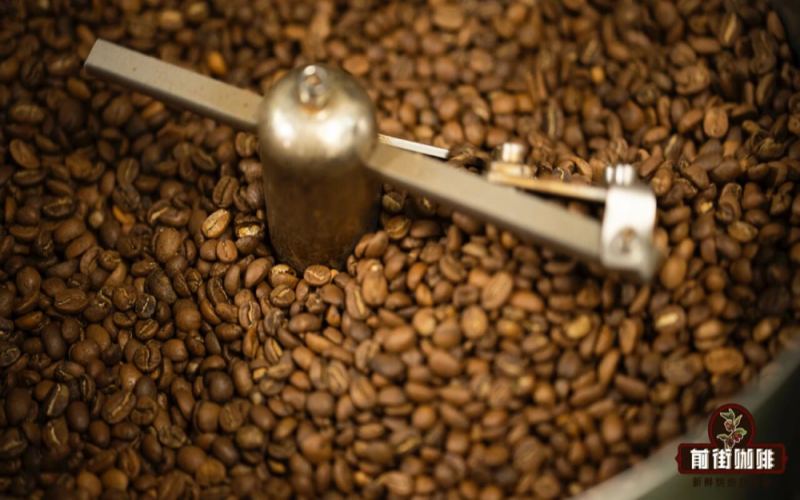
How Coffee Roast Depth Shapes Flavor and Mouthfeel: A Comprehensive Analysis from the Agtron Value to the Flavor in the Cup
The taste of coffee is influenced at every stage, from cultivation at the place of origin, variety selection, and green bean processing to roasting and brewing. The microclimates and bean varieties of different producing regions give coffee its unique regional flavor, while roasting is the key step that unlocks the flavor. Green beans must undergo high-temperature roasting to reveal their aroma and mouthfeel, and different roast levels directly change coffee's acid-bitter balance and body. This article will explain how to use the Agtron number to distinguish roast levels, and use Front Street Yirgacheffe and Golden Mandheling as examples to analyze the actual impact of light roasting and dark roasting on coffee flavor. [more…]
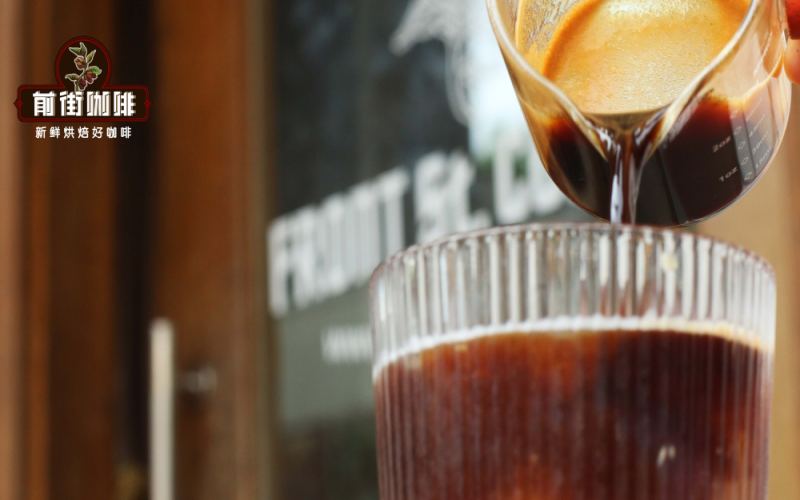
Espresso Tasting Guide: A Full Breakdown of Concentration, Mouthfeel, Extraction Standards, and How to Drink It Properly
Espresso is renowned for its high concentration, but high concentration does not equal burnt bitterness. A good espresso should remain smooth and free of grittiness within its intense richness, while delivering a pronounced sweet aftertaste. This article, from the tasting perspective of Front Street Coffee, analyzes how concentration affects flavor and mouthfeel, explains the importance of fresh roasting and fresh grinding for crema and aroma, and provides SCA extraction parameters along with practical in-store references. It also introduces the flavor directions of several Front Street espresso blend beans, as well as a tasting procedure that involves rinsing the palate with ice water and tasting in three sips after stirring, helping you understand and enjoy espresso more systematically. [more…]
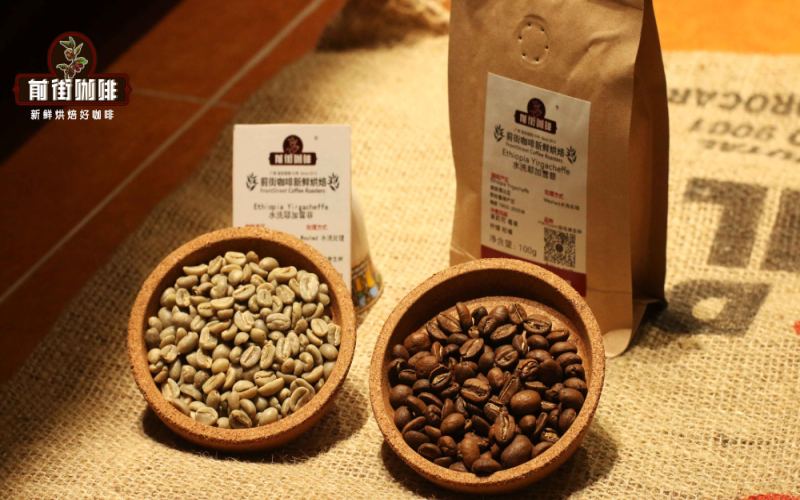
A Complete Analysis of Yirgacheffe Coffee Beans: Flavor, Mouthfeel, Origin, Variety, and Grinding Parameters
Yirgacheffe is one of Ethiopia's most recognizable coffees, known for its floral, lemon, and citrus notes. This article focuses on Front Street Yirgacheffe, outlining its flavor characteristics, mouthfeel, growing region environment, and variety background, and provides specific grinding settings and brewing parameters. The article also compares the flavor differences between the washed and sun-dried Red Cherry processing methods, helping coffee enthusiasts more systematically understand the charm of this bean and the key points of brewing. [more…]

How to Taste and Describe Coffee Aftertaste? Methods for Judging Sweetness Persistence and Flavor in Pour-Over Coffee
Many people focus only on flavor and mouthfeel when tasting coffee, overlooking an important sensory dimension: the aftertaste. In fact, aftertaste is the combined expression of the aroma, taste, and tactile sensation that linger in the mouth after swallowing coffee. Some people can perceive it but don't know how to describe it, while others simply don't notice it at all. From Front Street's perspective, this article helps you understand the definition of aftertaste, its causes, perception techniques, and how to judge whether an aftertaste is good or bad based on its duration and positive or negative flavors. The article also uses specific beans such as Golden Mandheling and washed Yirgacheffe to illustrate the typical aftertaste performance under different roasting profiles, helping you describe "the feeling after drinking" more professionally. [more…]
A Complete Analysis of Yirgacheffe Coffee Bean Flavor and Mouthfeel: Origin, Processing Methods, and Variety/Estate Introduction
Yirgacheffe is one of the most recognizable coffees in the world today. Its floral and citrus notes have overturned traditional perceptions of coffee flavor and made it an important symbol of the specialty coffee wave. This article will systematically sort out the appeal of Yirgacheffe from the perspectives of flavor description, mouthfeel characteristics, production regions, processing methods, varieties, and estates, while also exploring the subtle relationship between its price and value, as well as its unique position in the coffee world. Whether you are a coffee enthusiast who has just started out or a seasoned player, you can gain a more comprehensive understanding from it. [more…]
Ethiopia Sidamo Washed Hero Coffee Beans: Flavor Layers and Mouthfeel Characteristics Explained
This washed Ethiopian Hero coffee bean brought to you by Front Street Coffee once won the 2019 TOH Washed Group championship, making it a premium bean with exceptional aroma, balance, and body. It displays refined, delicate flavor layers, a solid and well-balanced mouthfeel, and bright, uplifting acidity, with a cost-performance ratio comparable to Hambela. This article will detail the bean's origin background, TOH competition knowledge, and the floral-fruity aroma and juicy mouthfeel brought by washed processing, giving you a comprehensive understanding of the unique charm of heirloom varieties at 2,150 meters above sea level in the Sidamo Guji producing region. [more…]
Ethiopia Yirgacheffe G1 Grade Explained: A Full Overview of Washed Kochere Flavor and Mouthfeel
Yirgacheffe, as a byword for Ethiopian specialty coffee, has its G1 grade and washed processing method long been a focus of coffee enthusiasts. This article starts with Front Street Coffee's washed Yirgacheffe Kochere, sorting out the geographical environment, cultivation patterns, and processing techniques of the small town of Yirgacheffe, and analyzing how washed processing gives coffee a brighter acidity and cleaner mouthfeel. It also introduces the location of the Kochere production area and its cooperative model, and specifically describes this coffee's tropical fruit notes of citrus and pineapple as well as its floral finish, helping readers gain a comprehensive understanding of the flavor profile of Yirgacheffe G1 washed beans. [more…]

How to Systematically Taste a Pour-Over Coffee: Methods for Identifying Aroma, Flavor, and Mouthfeel
Faced with a cup of pour-over coffee, many people are at a loss as to where to begin tasting. In fact, coffee tasting has both a subjective side of personal preference and objective standards that can be shared and discussed. Starting from a daily question at a Front Street store, this article sorts out the three core dimensions of tasting specialty coffee: volatile aroma, taste, and mouthfeel, and explains the difference between dry aroma and wet aroma, the role of retronasal olfaction, the range of tastes the taste buds can perceive, and the influence of the aftertaste on the overall experience after swallowing. Whether you are new to specialty coffee or currently learning to taste, you can use this to build your own sensory framework and expand your flavor memory bank through daily accumulation. [more…]
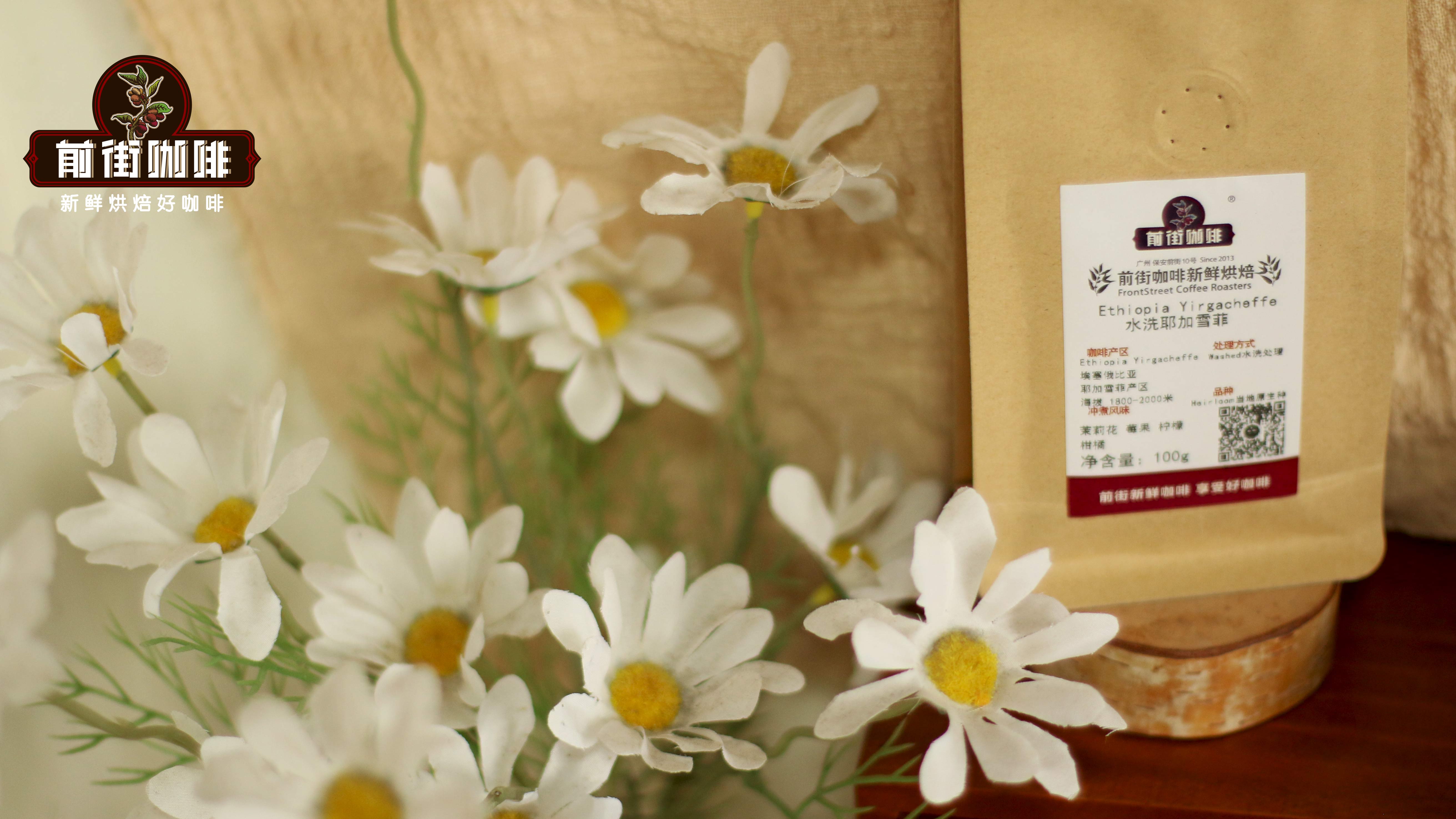
Front Street Konga Cooperative Natural Yirgacheffe G1: Full Analysis of Flavor, Mouthfeel, and Aroma
Yirgacheffe is the introductory choice for many coffee lovers, and the Konga Cooperative, as one of its important members, delivers a clean and bright flavor profile through washed processing. Starting from Front Street Konga Cooperative coffee beans, this article reviews the regional background of Yirgacheffe, the cooperative union system, and the advantages of high-altitude cultivation, while also describing in detail the flavor and taste characteristics of Front Street Konga. At the same time, the article compares Front Street Yirgacheffe with Front Street Panama Hacienda La Esmeralda Green Label Geisha through comparative brewing, presenting the differences between the two in aroma, acidity, mouthfeel, and aftertaste, helping readers gain a more comprehensive understanding of Yirgacheffe's refined flavor and value for money. [more…]
How to Judge the Quality of a Cup of Coffee? A Comprehensive Tasting Guide from Grinding and Extraction to Flavor and Mouthfeel
The birth of a good cup of coffee depends on proper grinding and extraction, and even more on the keen senses of the taster. This article begins with the correspondence between grind size and extraction method, sorts out the core standards of good coffee—fresh, clean, and comfortable on the palate—and systematically explains the professional descriptive vocabulary of the three dimensions: smell, taste, and mouthfeel. Whether you are a beginner enthusiast or a taster seeking to advance, you can find practical reference here. Front Street Coffee has always been committed to promoting professional coffee tasting knowledge, and we hope this article can help you better understand the flavors in your cup. [more…]

The Golden Rules of Espresso Extraction | Why Drink Ice Water When Tasting Espresso? What Factors Affect the Flavor and Mouthfeel of Espresso?
For more specialty coffee knowledge, please follow our WeChat official account: FrontStreet Coffee. In the cold winter, many friends often visit Front Street's store and, as soon as they walk in, ask for a warm hot latte. After tasting the rich boozy aroma in Front Street's latte, they all want to [more…]
A Roundup of the World's Top Ten Classic Coffee Bean Origins: Regional Flavors, Processing Methods, and Front Street's Curated Recommendations
The brilliance of the coffee world is often hidden in the flavor differences brought about by different origins and processing methods. Some people prefer the bright acidity and clean mouthfeel of washed beans, some love the full tropical fruit notes of natural beans, and others cannot forget the sweet, balanced character of honey-processed beans. Faced with a dazzling array of choices, knowing where to begin is often difficult. This article systematically sorts through ten of the most representative coffee-producing countries and varieties among the world's three major producing regions, covering Panama Geisha, Jamaica Blue Mountain, Indonesia Mandheling, Ethiopia Yirgacheffe, Kenya K72, Costa Rica honey process, Brazil Yellow Bourbon, Guatemala, Papua New Guinea, and Ethiopia Gesha Village, analyzing their flavor characteristics and processing methods one by one, and attaching Front Street Coffee's corresponding recommended bean selections and brewing performance, providing coffee lovers with a bean-selection guide that is both informative and practical. [more…]